The South Carolina legislative session is technically over. What passed, and what didn’t?
Gerrymandering
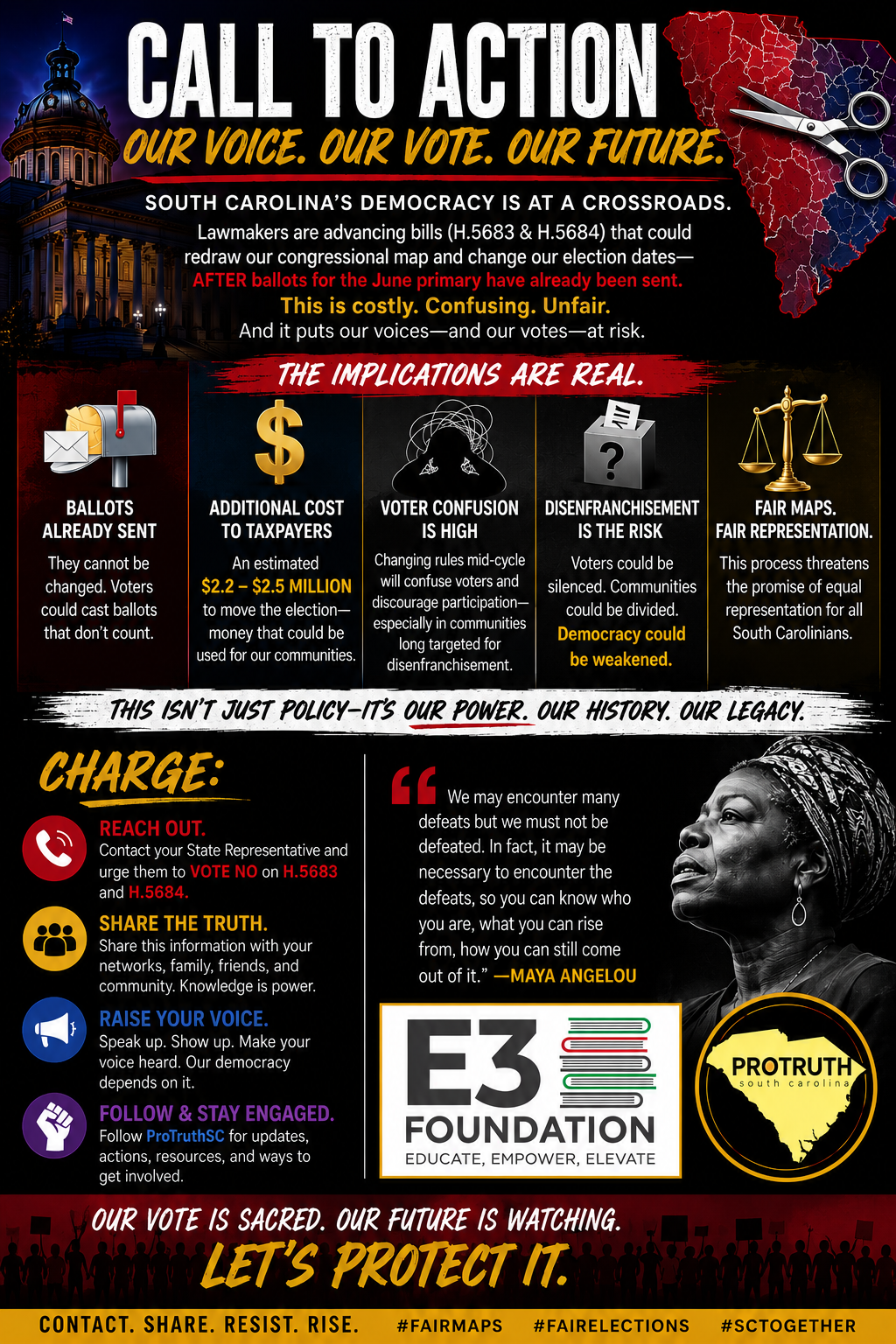
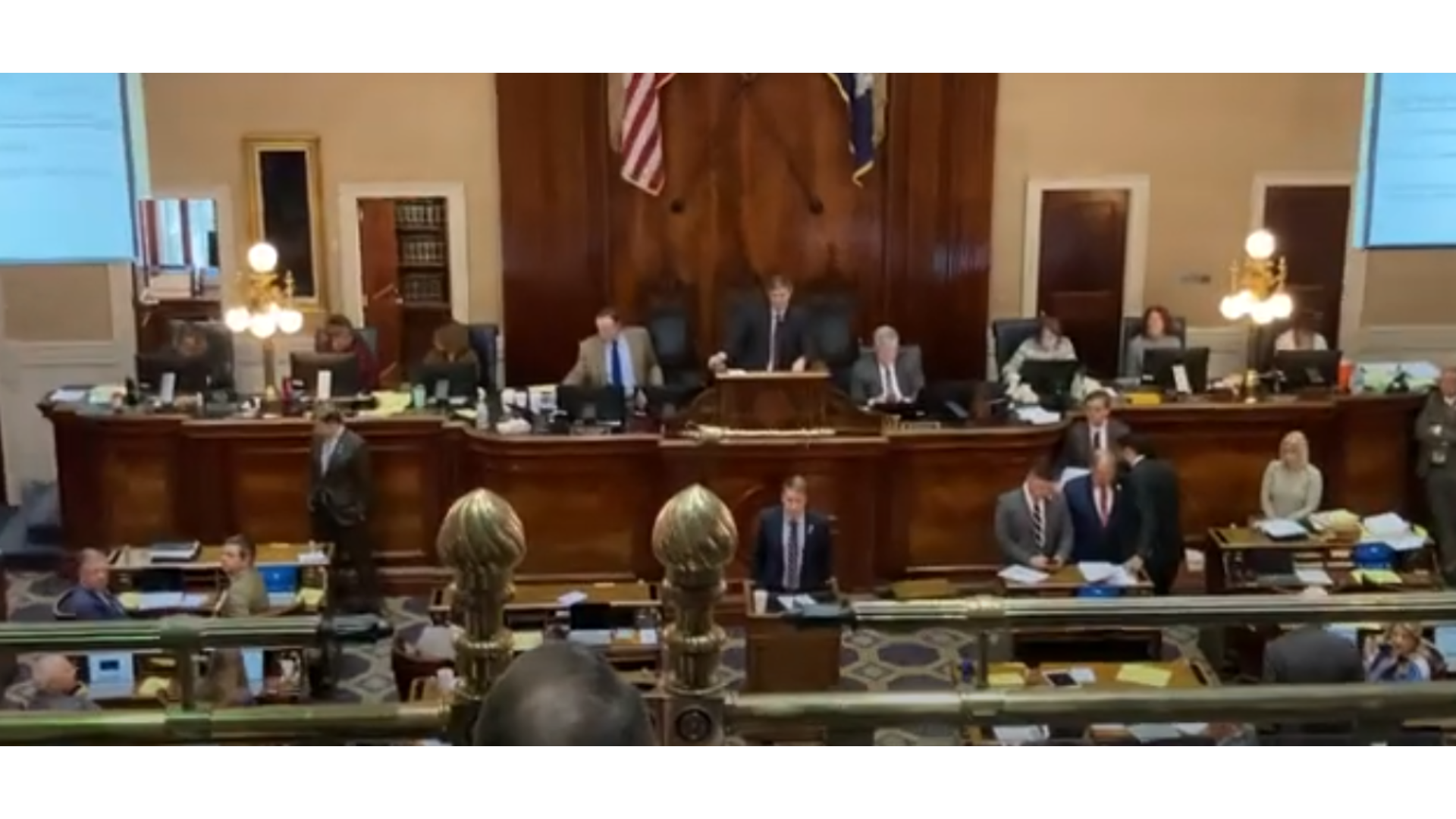
Technically, South Carolina’s legislative session has come to a close, but the wrong kind of work is continuing at the State House (at a cost of over $200,000 per week to South Carolina taxpayers). As of this writing, the House has already passed a “redistricting” bill after Governor Henry McMaster called lawmakers back for a special session with the obvious intent that they create a new electoral map that would erase Rep. James Clyburn’s Congressional district and move racial minority voters into districts where their votes and power would be diluted.
It should be noted that while
the Senate narrowly rejected a previous attempt to force the gerrymander a few days ago, Majority Leader Shane Massey, while arguing against redistricting, said on the floor, “I also think, that one of the side effects of [mid-decade redistricting] is, very candidly, you’re going to motivate Black turnout, and there will be repercussions for that. There will be down ballot repercussions.”
Massey’s “concerns” point to the reality that
disenfranchising Black voters is not a side-effect of redistricting, but potentially the primary purpose, of this particular gerrymander, and Massey knows most voters realize this.
And so while the legislature did very little to help South Carolina’s 800,000 public school students this year, it will spend money, time, and resources it could have spent on them in order to focus purely on gerrymandering political districts.
Like its current gerrymandering efforts, most of what the General Assembly fast-tracked this year constituted overt attacks on fairness, transparency, and equal access.
The Anti-Trans “Bathroom Bill”
H. 4756, a so-called “bathroom bill”
restricting the access of transgender students to restrooms and changing facilities (see
the text of the bill for the full list of sponsors) passed on the last day of session.
As we have shared before, “A wealth of research shows that bathroom bills harm LGBTQ+ youth. For example, a study from the medical journal Pediatrics found that, “Youth whose restroom and locker room use was restricted were more likely to experience sexual assault compared with those without restrictions”. LGBTQ+ students forced to use a bathroom that does not align with their identities experience increased mental health issues. A recent study from UCLA’s Williams Institute, on the other hand, finds that,
‘There is no evidence that allowing transgender people access to bathrooms aligning with their gender identity jeopardizes safety and privacy,’ while
‘Research consistently finds that transgender people report negative experiences like harassment and violence when accessing bathrooms.’”
The bill allows schools and colleges to meet a requirement for a “single use” facility for transgender and nonbinary students by simply placing a porta potty somewhere on campus. That is the definition of unequal facilities, and recalls the “separate but equal” arguments once used by proponents of racial segregation.
The School Discipline Bill
The "Educator Safety and Classroom Authority Act of 2026", ended the session stuck in committee. The bill, according to its authors, was intended to make educators safer, but as many educators and education advocates testified, the rushed language threatened serious unintended consequences.
For example, the bill includes problematic language giving school staff the authority to use “reasonable physical force” against students, including to “protect property”. While educators deserve protection, encouraging them to use physical force puts both teachers and students in danger, instead of addressing the underlying problems driving student misbehavior.
In addition, South Carolina already leads the nation in suspensions and expulsions of multiple vulnerable student populations, and disproportionately suspends and expels students of color. Requiring the removal of students from classrooms for an expanded list of infractions threatens to exacerbate this problem.
As we have shared in the past, this bill needs a great deal of work in order to avoid further harming vulnerable students, and we’re hopeful that it will get that attention next session.
The Expanded “Heritage Act”
Senate Bill 508 (click see full text for sponsors), which
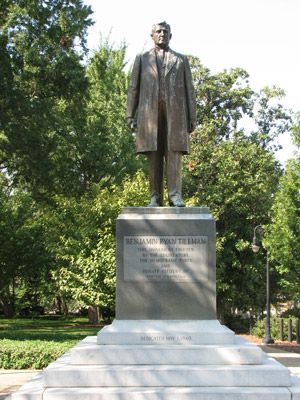
expands the state’s “Heritage Act” by prohibiting updates to state monuments and historical statues, makes it illegal for groups and individuals, including historical societies and local governments to add QR codes or other information to monuments and statues, depriving students and the general public of up-to-date information about state history.
If a historical society, for example, wanted to add an updated plaque to the “Pitchfork” Ben Tillman monument at the State House, to reflect the reality that he participated in and encouraged white supremacist, while supporting legislation and Constitutional changes to help usher in Jim Crow, they could almost certainly not do so under this bill.
The Budget
The state budget is, as of this writing, also in conference committee, so it’s too early to know what good and bad things are lurking in whatever version is passed in the future.
Currently, the House and Senate versions contain a lot of lawmaking in the form of
budget provisos, which should be one-year budget components, but which in effect usually end up getting copied and pasted over and over again into future budgets. In South Carolina, many provisos essentially become semi-permanent laws without the public committee process that other laws must undergo.
One SC budget proviso that pops up yet again in both current drafts is the so-called prohibition on “Partisanship Curriculum,” which was originally aimed at what legislators were then calling “CRT”.
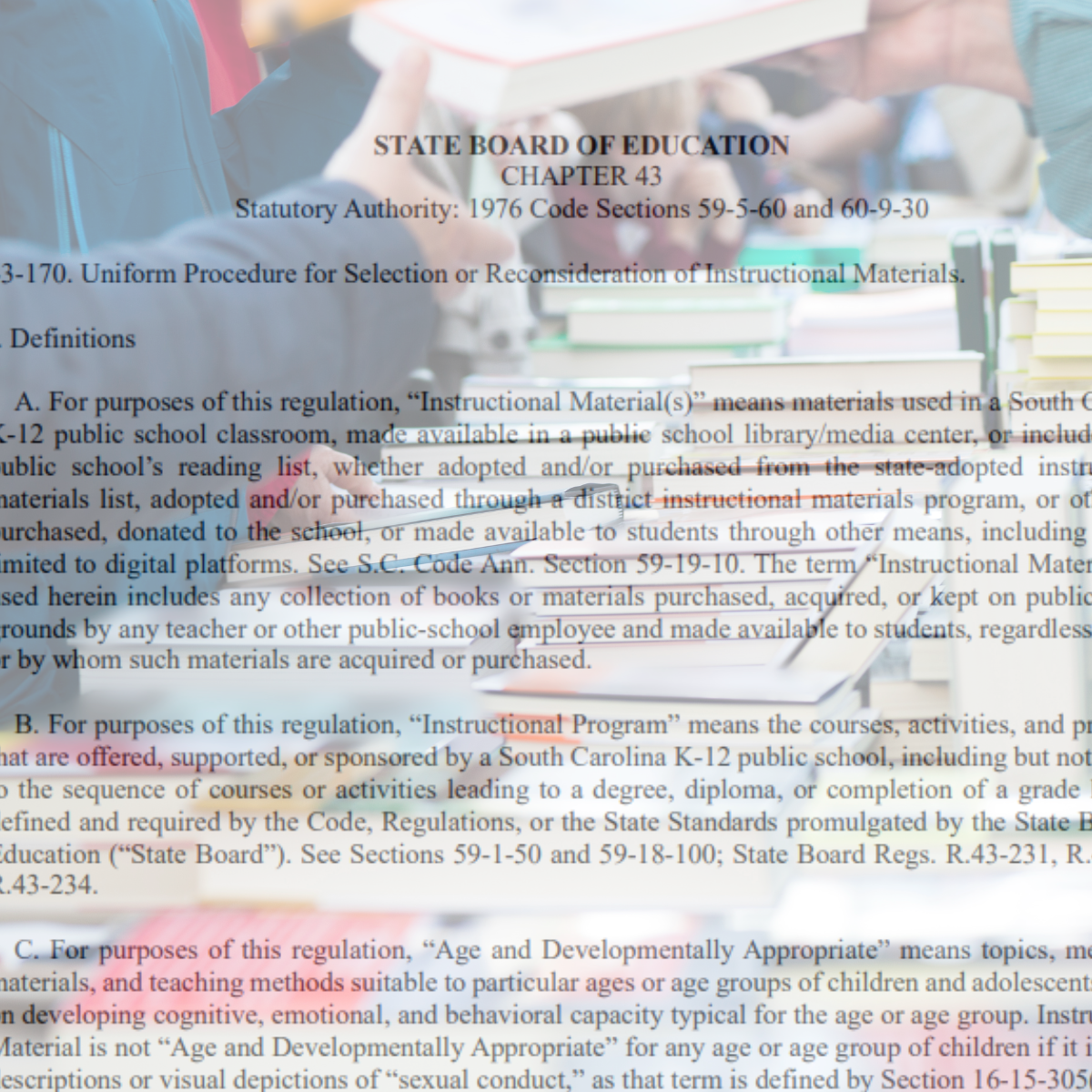
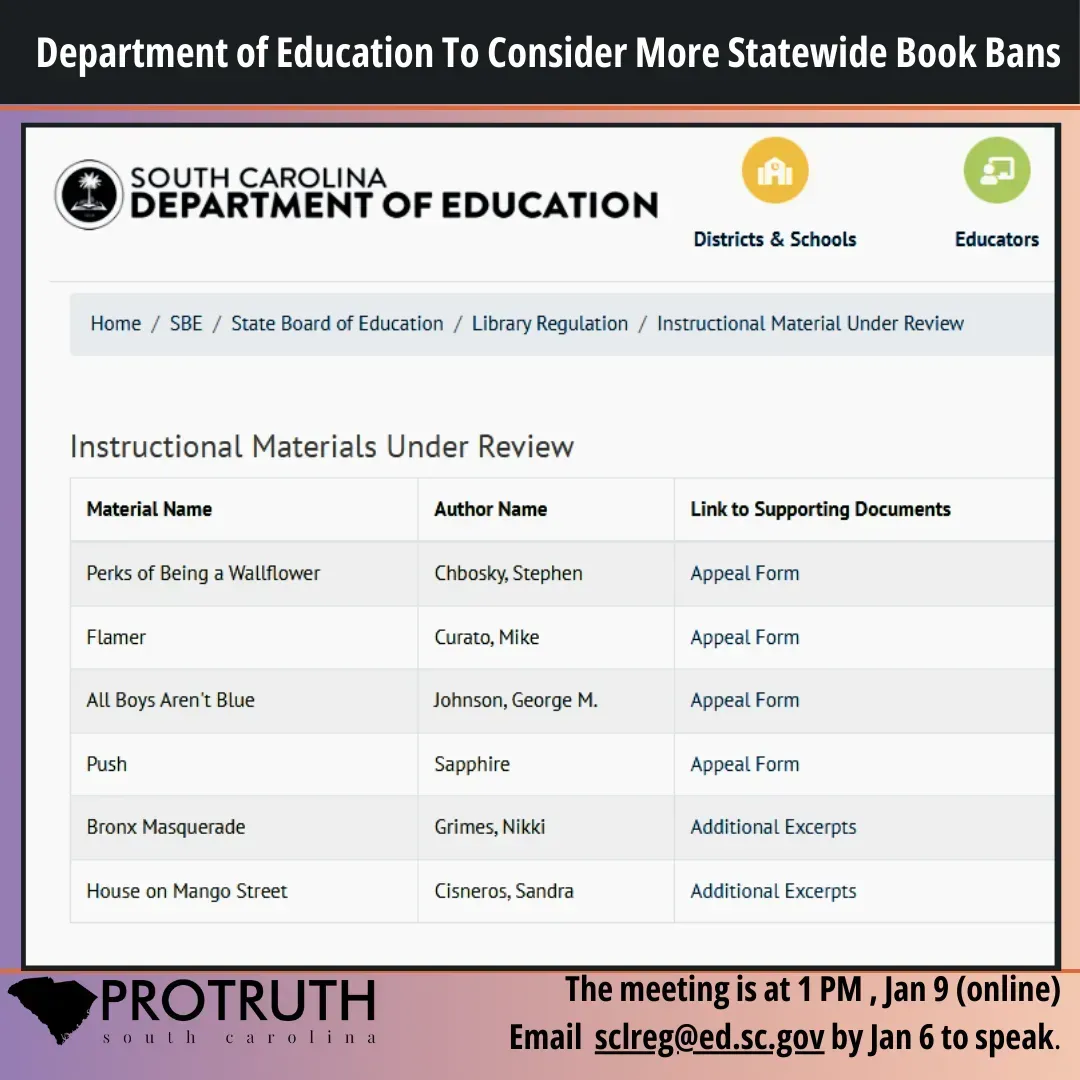
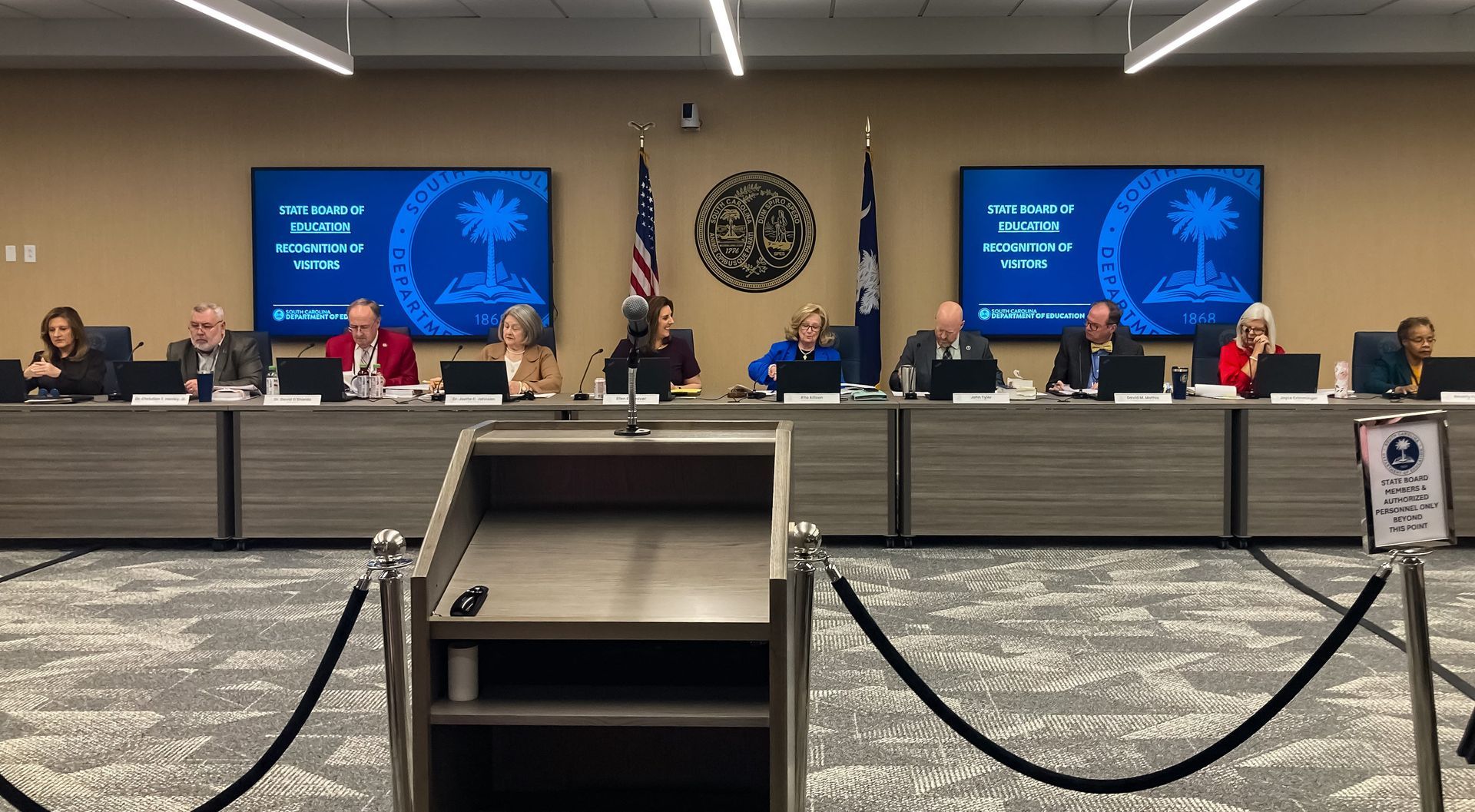
The anti- “CRT” proviso has already been used to restrict student access to AP African American studies, and to justify Superintendent Weaver’s State Board regulation 43-170, which has resulted in more statewide book bans in public schools and school libraries than in any other state.
This is all by design. Its language is copied directly from an Executive Order, likely written by anti- “CRT” mastermind Chris Rufo, whose stated intent is to use Critical Race Theory as a catch-all term to vilify public schools in order to help voucher legislation become more palatable.
Meanwhile, even though
top legislators were mightily upset about the Department of Education’s potential violation of South Carolina school voucher law, in the end they decided
not to cap the number of homeschool families who could access the money through a loophole created by the Department. It’s clear that the priority this session was promoting alternative education programs, at the expense of the public schools which serve most South Carolina families.
The House Budget adds a supplemental school breakfast program which would pay for school breakfasts for students who don’t otherwise qualify for a free one. Because the Senate version doesn’t include this, the conference committee will presumably have to decide whether to include it. (The good news is that
a law protecting lunches for students in poverty did pass, but hopefully the budget will ensure that
all students can start the day with a meal.)
What does it all mean?
The General Assembly has demonstrated once again that it isn’t willing to prioritize the best interests of the average South Carolinian, and that it is willing to disenfranchise voters and students of color, to play up negativity against public schools, to persecute transgender children, and to carve up the state’s voting districts in order to satisfy partisan political power grabs.
It’s important for us to remember all this as we vote, as we help register others to vote, as we encourage our friends and neighbors to choose statewide and local officials who support public education, as we protest, as we rally, and as we continue to organize.
ProTruth South Carolina (Blog)